Tuff Shed Site Prep & Utilities: The Los Angeles Owner’s Guide
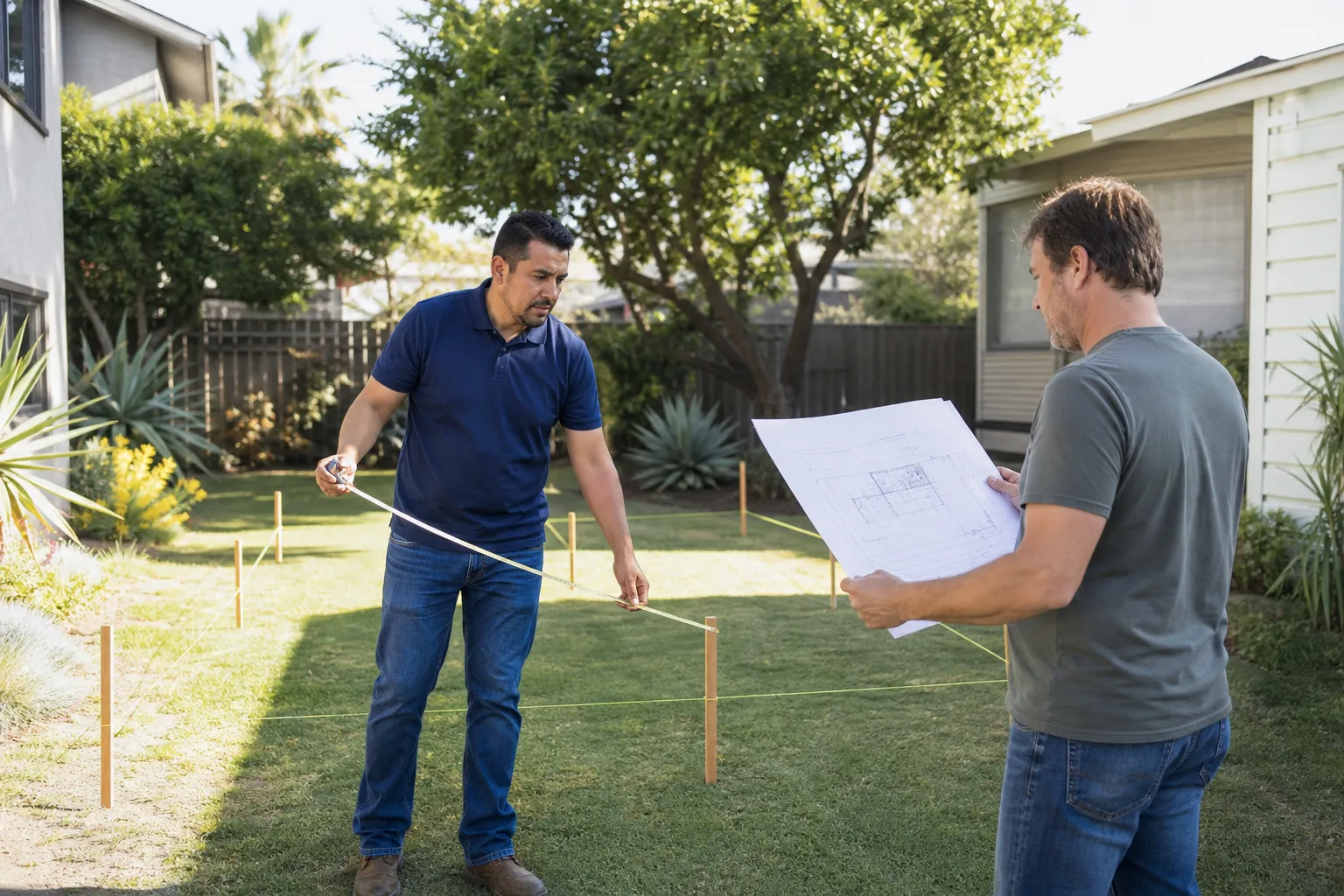
We stock and install Tuff Shed-compatible site prep and utility packages in Los Angeles, with most full site prep jobs running $2,800 to $6,400 depending on slope, soil, and how far we need to run electrical. The work usually takes one to three days once permits clear. Most owners discover their site prep problem when the shed doors start binding, water pools at one corner, or the lights flicker every time the compressor kicks on.
Here’s the thing about Tuff Sheds: the building itself is factory-built and consistent. What fails around here is the ground underneath it and the utilities run to it. Los Angeles soil, especially in hillside neighborhoods like Mount Washington and Echo Park, expands and contracts with the rainy season, and that movement is brutal on slab edges and conduit runs. Reed Calloway has walked onto more than a few properties where a shed was dropped on bare dirt or a 2-inch gravel pad, and within two years the floor had a quarter-inch tilt and the door wouldn’t latch.
Key takeaways:
- Installed site prep for a Tuff Shed in Los Angeles runs $2,800-$6,400 depending on terrain
- We pull permits on every utility run; electrical to a shed is not a handyman job
- Most failures we see trace back to skipped compaction or undersized conduit
- Free estimates; the number we hand you is the number you pay
Which Tuff Shed Models This Applies To
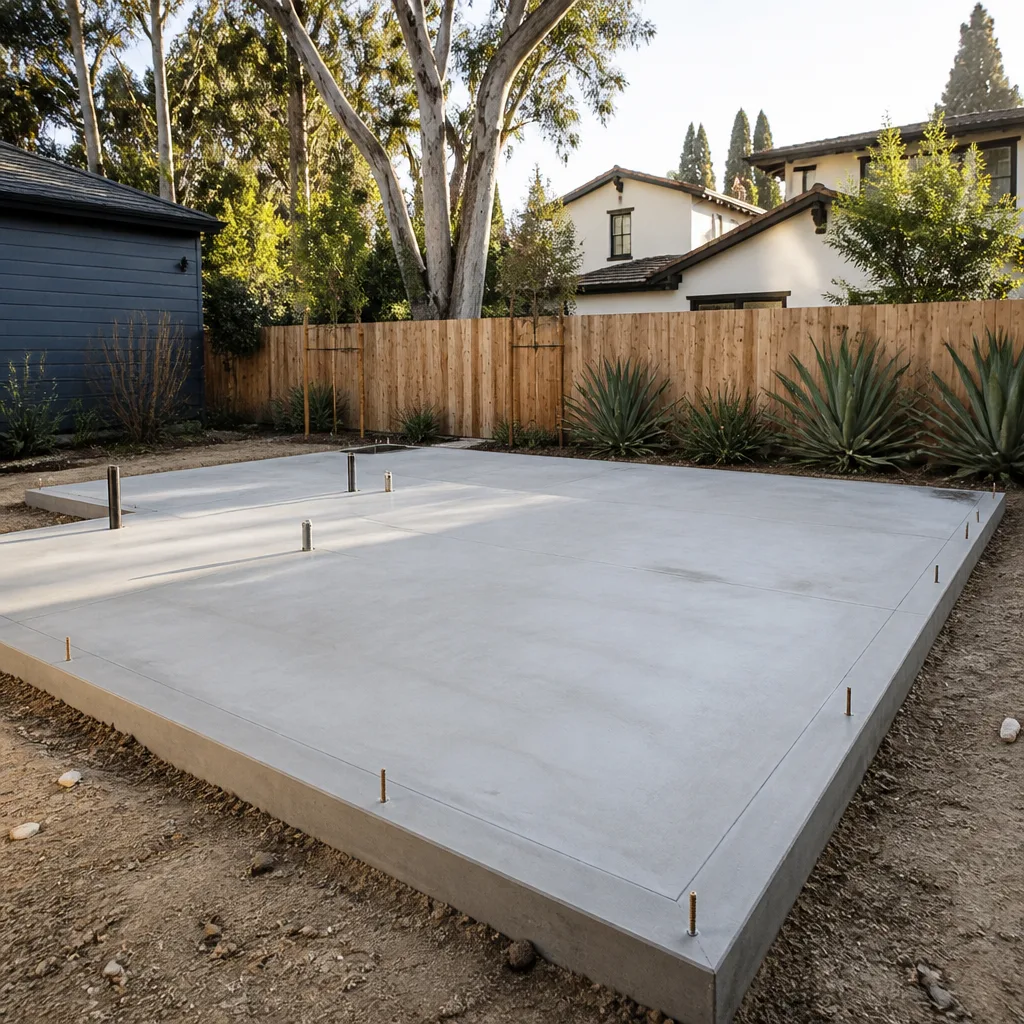
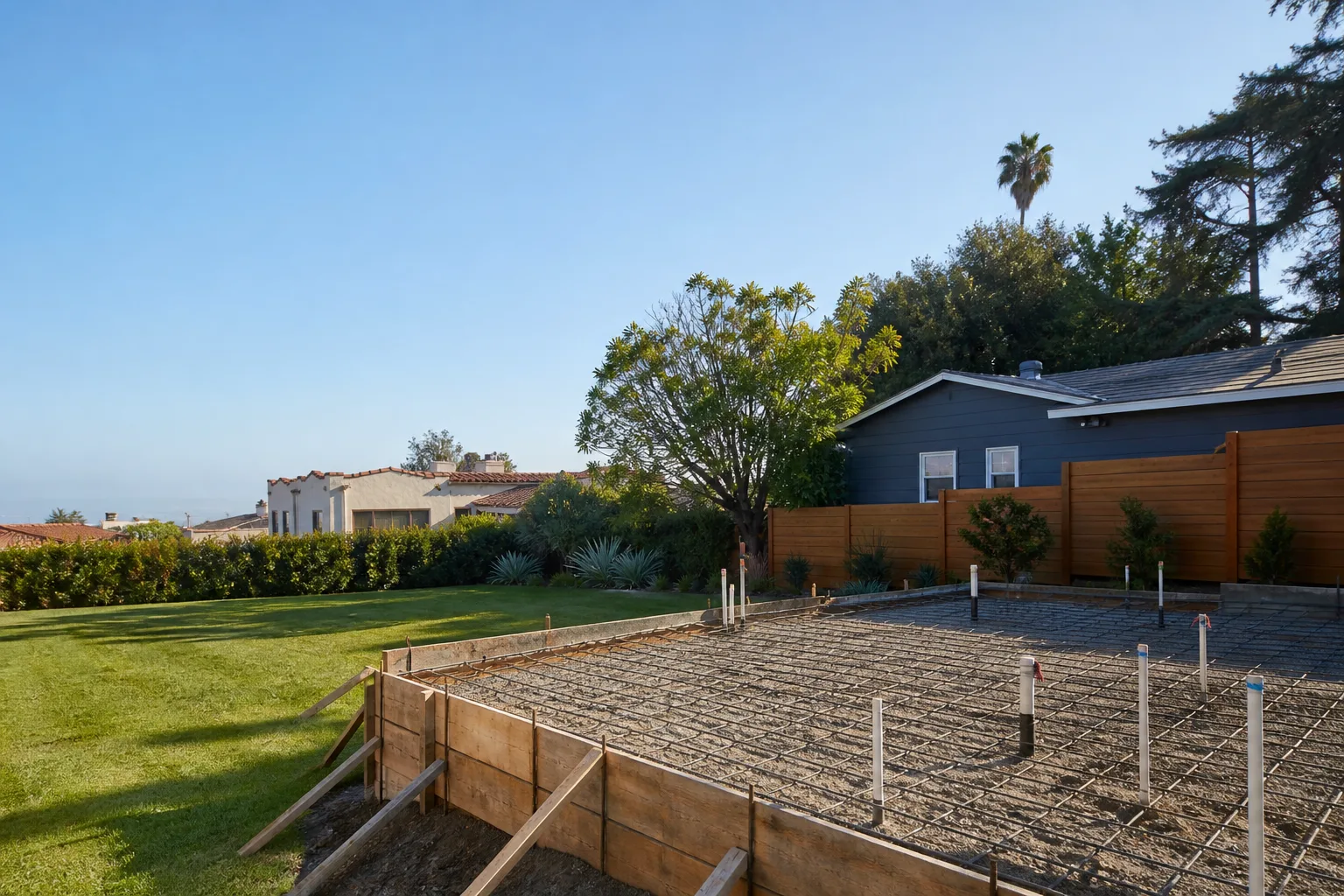
Site prep and utilities don’t change much across the Tuff Shed lineup. Whether you have a Premier Pro, Premier Ranch, or a Sundance series, the requirements are the same: level, compacted ground; a foundation that meets Los Angeles Department of Building and Safety standards for shed permits; and electrical run in conduit rated for direct burial or above-ground exposure. What changes is scale. A 6×8 Premier Ranch needs a smaller pad and less service than a 12×24 Premier Pro set up as a workshop.
One compatibility detail worth knowing: Tuff Shed’s anchoring requirements assume a flat, cured surface. If your site slopes more than six inches over the shed’s footprint, you’ll either need a stepped foundation or a retaining wall, and that’s where budget numbers shift fast. We’ve seen quotes from grading-only contractors in the San Fernando Valley blow past $8,000 for a slope that could have been handled with a 18-inch stepped footer. We write the site work and the shed prep as one line item so there’s no change order waiting in the weeds.
We are an independent service provider, not affiliated with Tuff Shed. That means we’re not tied to one solution. We stock Tuff Shed-compatible anchors, concrete block materials, and electrical hardware, and we also work with Abodu, Cover, and Dvele panels when a customer is moving beyond a shed into an ADU.
Signs Your Tuff Shed Site Prep & Utilities Is Failing
- Door bind or won’t close in summer. The shed frame is square; the ground beneath it isn’t. Concrete expands in heat, and if the pad wasn’t poured with control joints, a corner lifts and torques the door frame. We see this in the San Gabriel Valley every August.
- Water pooling at one corner after rain. The pad lost grade, or there was never any fall in the first place. Over time, pooled water eats the anchor bolts and rots the bottom plate from underneath.
- Breaker trips when you run tools. The original electrical run is 14-gauge wire on a 15-amp circuit, sized for a light bulb and maybe a radio. Run a miter saw and the voltage drop starts tripping breakers or, worse, overheating the wire. In Los Angeles, unpermitted electrical work like this is exactly what we get called to replace.
- Anchor bolts pulling loose from concrete. Concrete that wasn’t cured properly, or was poured too thin at the edges, spalls around the anchor and the bolt pulls free. A shed that shifts in a good Santa Ana wind becomes a liability.
- Lights flicker when the neighbor’s pool pump runs. The shed is sharing a circuit with another structure, or the service panel is undersized for what you’re actually doing in there. This is a Los Angeles DWP service question as much as a shed question.
Replacement Cost & What’s Included
Here’s what we hand you before any work starts, in writing.
| Scope of Work | Typical Los Angeles Price Range |
|---|---|
| Gravel pad prep (compaction, leveling, weed barrier) | $400 – $850 |
| Concrete slab (4-inch, reinforced, control joints) | $1,200 – $2,600 |
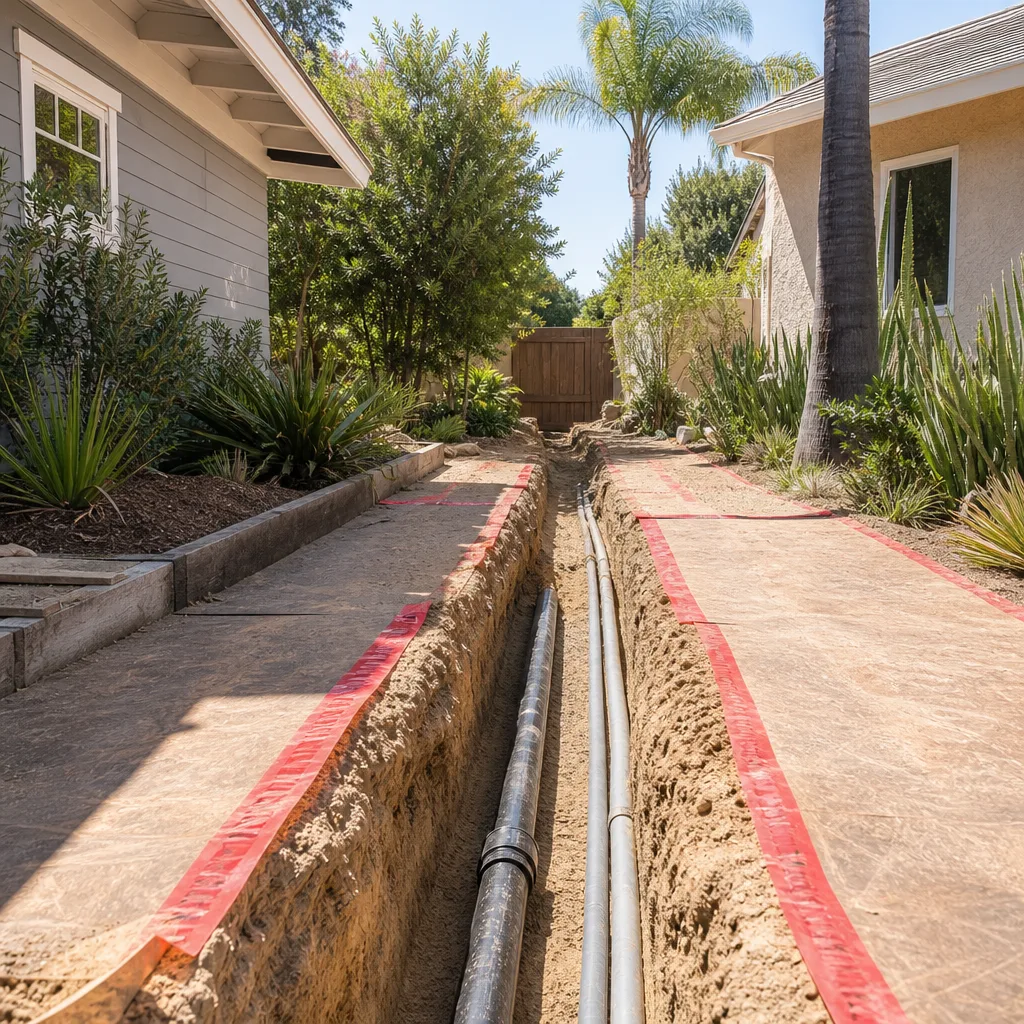
| Electrical run with permit (conduit, subpanel, outlets, lights) | $1,100 – $2,400 |
| Retaining wall or stepped foundation (sloped lots) | Adds $1,500 – $4,500 |
The range is driven by slope, soil type, and access. A flat backyard in Westchester is a different animal than a hillside in Silver Lake, and we price accordingly, not by square footage guessing. Every number includes parts and labor. If the ground opens up and we find something unexpected, the price doesn’t move until we’ve walked you through it in writing. The Garrison Standard covers workmanship defects for 365 days; if something fails, we come back and make it right at no charge. Put it in writing, pull the permit, do the work.
DIY or Call Us?
Here’s the honest split. If your shed just needs a gravel pad re-leveled, and you own a tamper and have a weekend, that’s doable. Buy the right material, compact in lifts, and check your level twice. If your shed needs a concrete slab, anchor work, or any electrical, call us. Electrical is the one we won’t debate: running wire into a structure in Los Angeles requires a permit and an inspection, and a bad connection inside a wall is how sheds burn down while nobody’s watching. We answer the phone at (213) 732-1415, and we’ll tell you straight whether it’s a Saturday job or a work-crew job.
FAQs
A properly compacted gravel pad with a good weed barrier lasts 8-10 years before it needs a re-level, and a concrete slab with control joints should last 25-30 years. The variable is drainage. In Los Angeles, the difference between a pad that lasts and a pad that fails in five years is usually how the water moves across it. If you’re getting pooled water at the edge, call (213) 732-1415 and we’ll assess it for free.
Sometimes. If the issue is a low corner from settling, we can mudjack or spot-level concrete. If the base was never compacted, or the electrical was run undersized, repair is just buying time, and you’ll pay twice. We’ll tell you which situation you have before you spend a dollar with us.
Most jobs run one to three days of on-site work, but the permit pull for electrical usually adds a week or two depending on the DWP and LADBS queue. We handle the paperwork; you don’t chase the inspector. The full timeline goes in the written estimate.
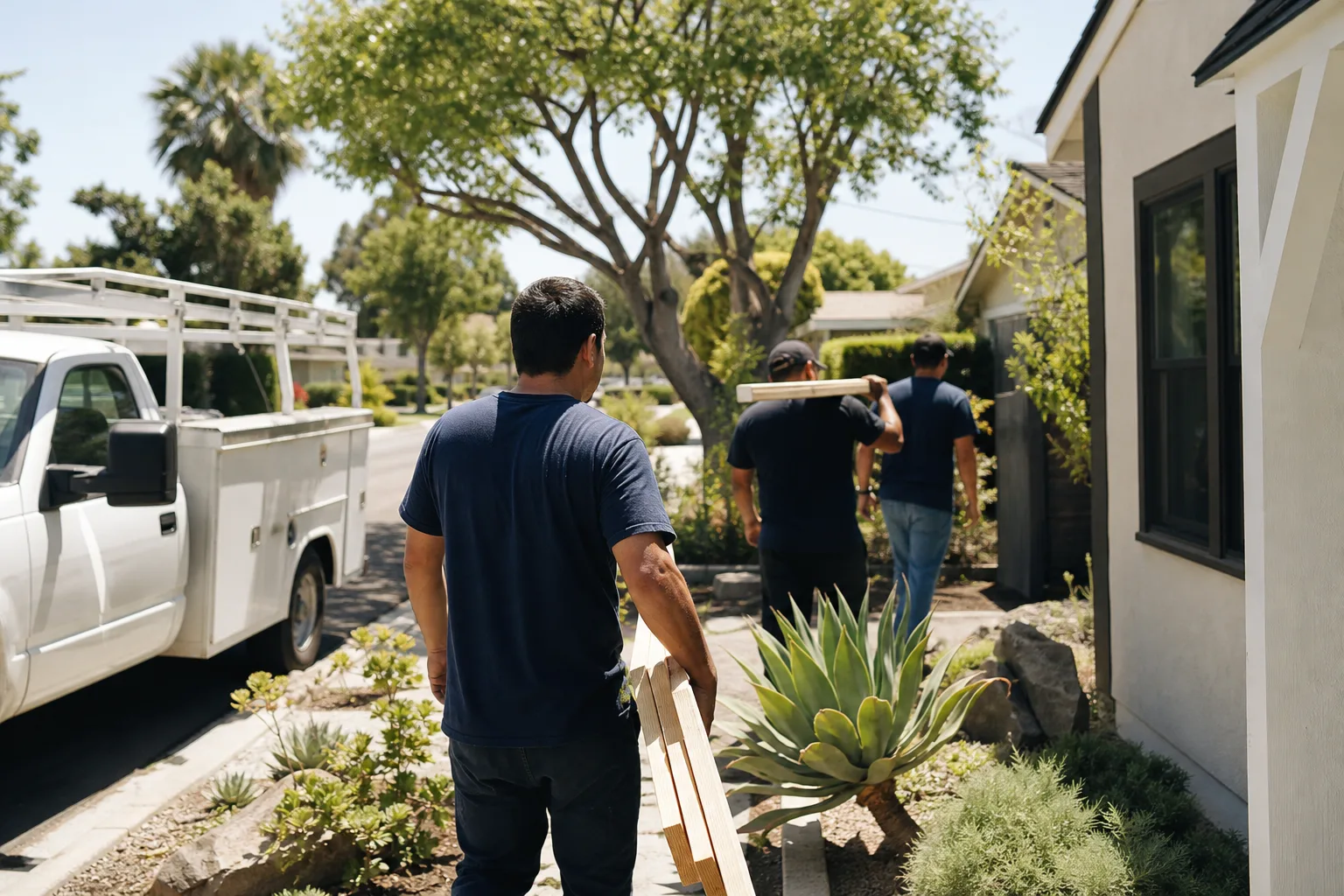
Yes. We keep common Tuff Shed anchor types, pressure-treated sill plate material, and the standard conduit and panel hardware on our trucks. If we need a specific anchor for your shed’s frame, we source it same-week and include it in the original written price.
Written by Reed Calloway, Owner, Fielding ADU Los Angeles at Fielding ADU Los Angeles, serving Los Angeles and nearby areas.