James Hardie Site Prep & Utilities: The Los Angeles Owner’s Guide
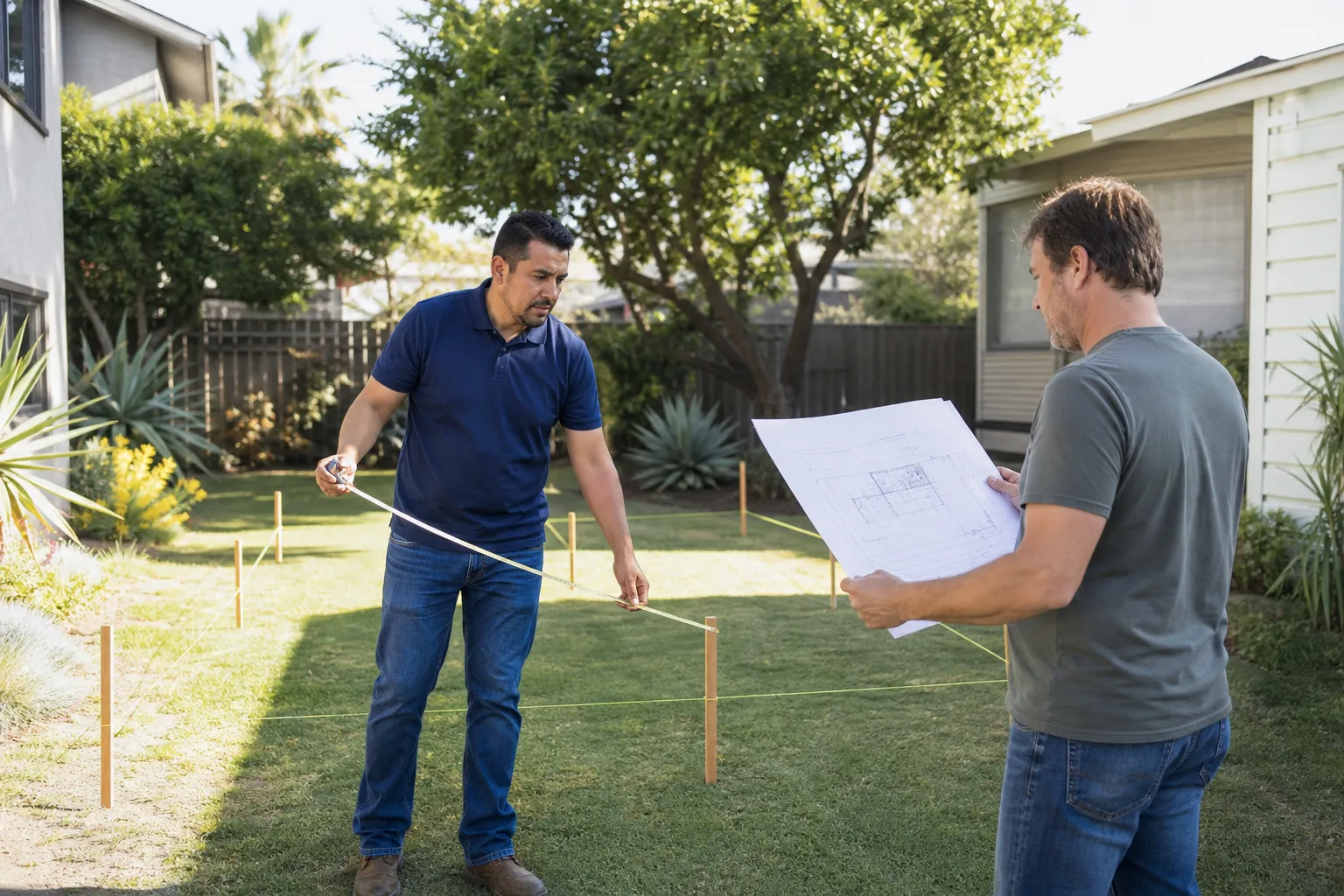
Site prep and utilities work ahead of a James Hardie siding installation in Los Angeles typically costs $1,800 to $6,500 depending on what the lot requires, and most jobs wrap in one to three days once permits clear. We stock the flashing, moisture barriers, trim boards, and utility-disconnect fittings that James Hardie installations depend on, and we can usually have a crew on site within five to seven business days of the written estimate. Most owners discover a problem the hard way: they open up a wall during a remodel and find rot behind old siding, or they realize the gas meter and electrical panel are sitting exactly where the new Hardie plank needs to go.
If you’re planning a garage conversion, room addition, or ADU with James Hardie siding, the site work comes first. Get that wrong and the siding fails no matter how well it’s hung. Reed Calloway grew up in Eagle Rock and has been building ADUs in Los Angeles for going on twelve years, and he’ll tell you the same thing he tells every homeowner: put it in writing, pull the permit, do the work. Fielding ADU Los Angeles is an independent service provider, not a James Hardie affiliate, but we know their product lines cold because we install them on our own builds.
Which James Hardie Models This Applies To
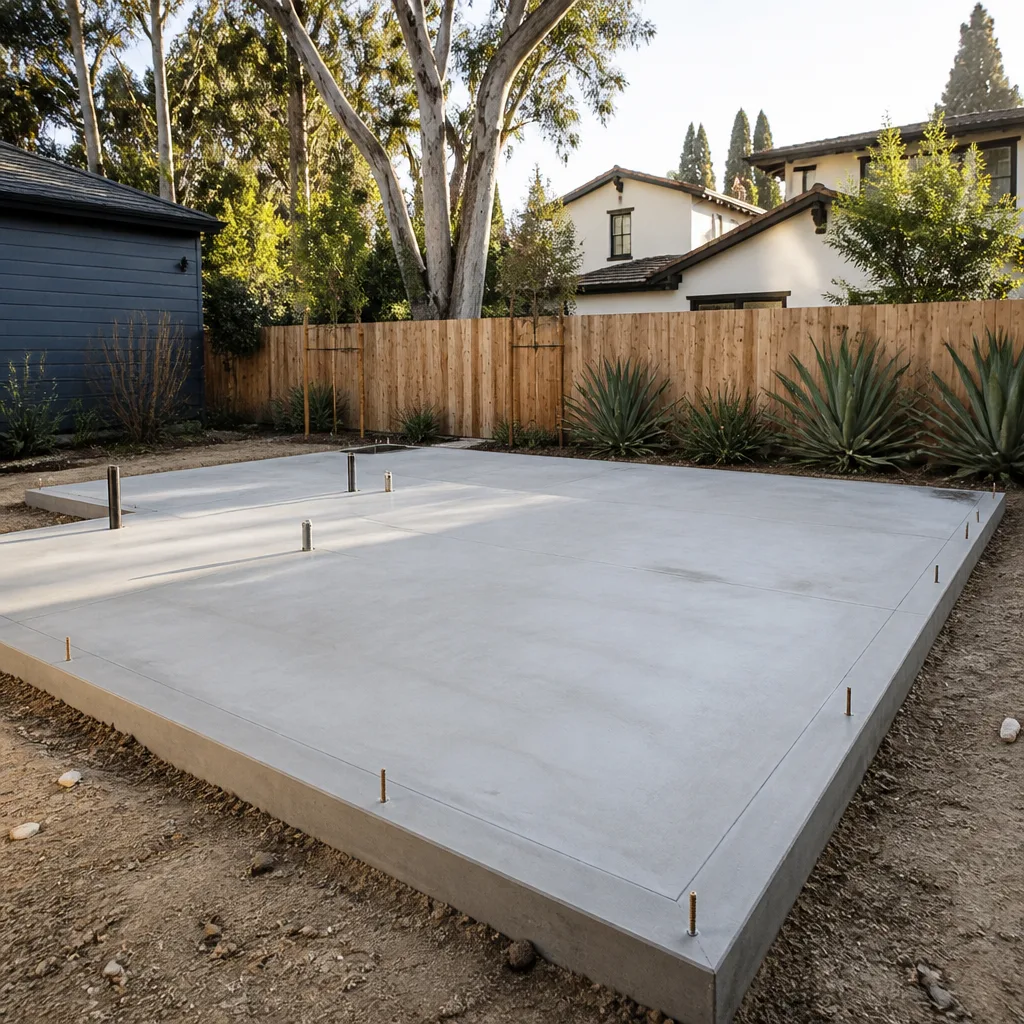
James Hardie siding in Los Angeles falls into three product families that drive different site-prep requirements. HardiePlank lap siding, the most common, needs a flat, dry substrate and proper drainage plane behind it. HardiePanel vertical siding is heavier and demands a straighter framing plane, which occasionally means shimming or reframing before the panels go up. HardieTrim boards and HardieSoffit products add corners, window surrounds, and eave details that require their own flashing setup, and getting those joints wrong is where we see most water intrusion start.
The compatibility gotcha most Los Angeles homeowners hit: Hardie siding requires a rainscreen gap on certain wall assemblies, including many stucco-to-siding transitions and walls facing sustained wind, and the Los Angeles Department of Building and Safety enforces this on multifamily projects. If you’re matching existing Hardie siding on a pre-2015 LA home, the older color codes and texture profiles are sometimes discontinued, so we pull a physical sample and match to the current Hardie palette before any utility work begins. That step saves a lot of mismatched plank. For the OEM-versus-aftermarket decision, we use James Hardie flashing and trim wherever the wall is load-bearing or fully exposed to weather; quality aftermarket flashing is fine for interior transitions and utility chases, and we pass the savings to you in the written line items.
Signs Your James Hardie Site Prep & Utilities Is Failing
- Water staining at the sill plate or the bottom course of siding. This usually means the site drainage was never graded away from the foundation, or the original moisture barrier was taped wrong at the base. Water pools, wicks up, and rots the framing behind the Hardie.
- Gas or electric utilities running tight against the planned siding line. In older Los Angeles neighborhoods like Glassell Park or Highland Park, we regularly find meters and panels installed within an inch of the exterior wall. Hardie siding needs clearance space behind it for mounting and future access, and the utility often has to be relocated or shielded first.
- Cracked or buckled Hardie planks near ground contact. Hardie is fiber cement, not wood, but it still fails when it sits in standing water or dirt. The site prep failed because the grade was never built up, and the bottom plank is wicking moisture by capillary action.
- Flashing that pulls away at window and door openings. If the original site prep skipped proper head flashing or used builder’s-grade tape, you’ll see gaps open after two or three Southern California temperature swings. Every gap is an entry point for wind-driven rain.
- Pest entry at the transition between foundation and cladding. Rodents and termites find the gap where the Hardie bottom edge meets the stem wall. In Los Angeles, that gap is usually a missing drip cap or a weep screed that was covered over during a previous side-yard concrete pour.
Replacement Cost & What’s Included
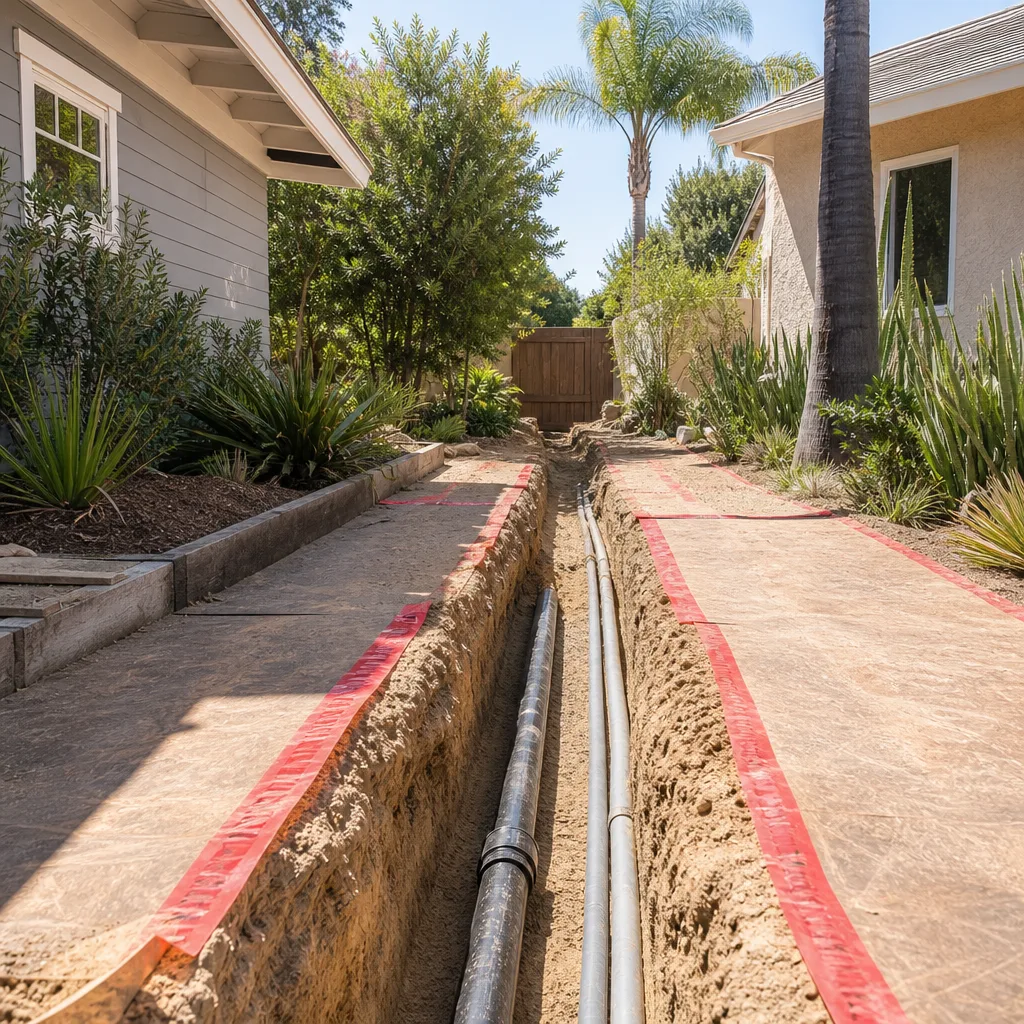
Here’s what we see in the Los Angeles market for site prep and utilities work tied to James Hardie installations, based on the scope rather than the siding itself:
- Basic site prep for a single wall or small exterior section: $1,800 to $2,800. This covers grading correction, moisture barrier replacement, flashing at the base and openings, and utility standoff brackets where needed.
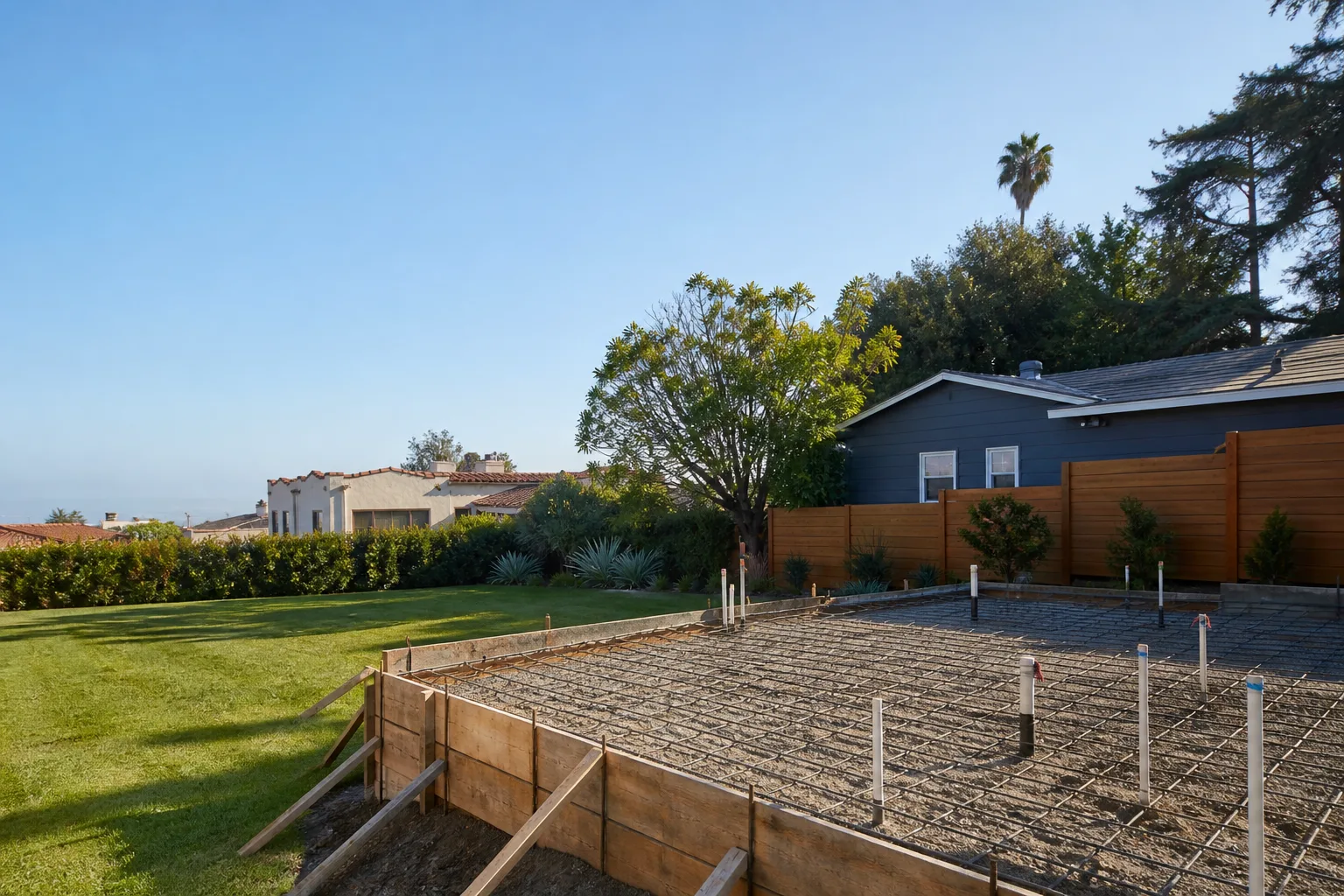
- Full perimeter site prep for a garage conversion or ADU: $3,500 to $5,500. Includes full drainage plane installation, rain screen where the city requires it, New flashing throughout, and coordination with the local utility district for meter or panel clearances.
- Utility relocation or panel move: $2,000 to $6,500. The spread depends on whether we’re shifting conduits and gas lines or relocating a panel. This requires permits and, in many Los Angeles neighborhoods, a utility-company work order.
Every estimate is a written, line-item price before any work starts. You approve the number once, and that’s the number on the final invoice. The one-year Garrison Standard guarantee covers the site work: if flashing fails, drainage backs up, or utility clearances cause an inspection issue inside 365 days, we come back and fix it at no charge.
DIY or Call Us?
You can safely check a few things yourself: grading around the foundation, visible flashing gaps, and whether gutters drain away from the walls. Those checks cost you nothing and help you decide how urgent the fix is.
You should not move a gas line, relocate an electrical panel, or cut into a stucco wall that may hide asbestos in older Los Angeles homes. Gas work done wrong creates a leak inside a wall cavity, and that is the kind of problem that sends a house up. Electrical panel relocation is a serious injury risk and always pulls a permit. We pull the permits, coordinate the utility disconnects, and leave the site ready for the Hardie installation crew. When you’re ready to stop guessing what the wall is hiding, call (213) 732-1415 and we will put the scope and price in writing before anything gets opened up.
FAQs
A properly installed drainage plane, flashing set, and utility clearance arrangement should last 30 to 50 years, but the Los Angeles earthquake cycle, heavy clay soils, and seasonal ground movement mean we inspect every site we touch and correct the drainage before siding goes up. We back our work for the first year under the Garrison Standard, and most failures that show up do so inside two wet seasons, so the guarantee covers the realistic risk window. Call (213) 732-1415 if your existing setup is failing and you want a straight answer on repair versus replace.
Localized flashing repairs and drainage corrections are often repairable without tearing off all the siding. If water has been getting behind the Hardie for more than a season, we usually have to remove the bottom courses, replace the rotted sheathing, and re-hang with new flashing. The rule is simple: until we open the wall, we tell you what we suspect; once we open it, we show you what we found before we spend another dollar.
Most single-wall site prep jobs finish in one to two days once permits are in hand. Full ADU or garage conversion site prep runs two to three days, and utility relocation adds time based on the utility company’s schedule, not ours. We write the schedule into your estimate so you know which days the crew is there and which days we’re waiting on an inspector or a utility tech.
We keep the standard James Hardie-compatible flashing, moisture barriers, drainage mat, and utility standoff hardware stocked on our Los Angeles trucks, along with the trim profiles we install most often on ADU and addition jobs. Specialty items like panel-move equipment and certain city-approved drain assemblies get ordered after the estimate, and the lead time is always noted in writing before you commit. Call (213) 732-1415 for a free estimate and we will tell you what we can start tomorrow and what needs a supply-house run.
If your James Hardie siding is sitting on failed site prep, or your utilities are in the way of the wall you want to build, call Fielding ADU Los Angeles at (213) 732-1415. We’ll walk the site, name the problem, and hand you a written price before you spend a dime. That’s the Garrison Code: show up in the window, price in writing, by the book, leave it clean, stand behind it for a year.
Written by Reed Calloway, Owner, Fielding ADU Los Angeles at Fielding ADU Los Angeles, serving Los Angeles and nearby areas.