HOA & Zoning Compliance in Los Angeles, CA
HOA and zoning compliance is the work of making sure your ADU, garage conversion, or room addition gets past the two gatekeepers that stop most projects in Los Angeles: your homeowners association’s design review board and the city’s zoning code. At Fielding ADU Los Angeles, we handle both tracks before a single permit application is filed. Most owners call us after their HOA has rejected a plan once, or after the city sent back a permit set for a setback issue they didn’t see coming. You can reach us at (213) 732-1415 any time. Calling is the fastest way to find out whether your project has a compliance problem before you spend money on it.
Compliance is not paperwork theater. It is the difference between a project that gets built and one that dies in review. We approach it as part of ADU Design & Permitting in Los Angeles, not a side chore. When we take on your HOA and zoning compliance, we read your HOA’s CC&Rs, we check the city’s zoning maps line by line, and we tell you what is possible before you commit to a design. If a restriction blocks your plan, we tell you that too. The Garrison Code our company runs on is simple: show up in the window, price in writing, by the book, leave it clean, stand behind it for a year.
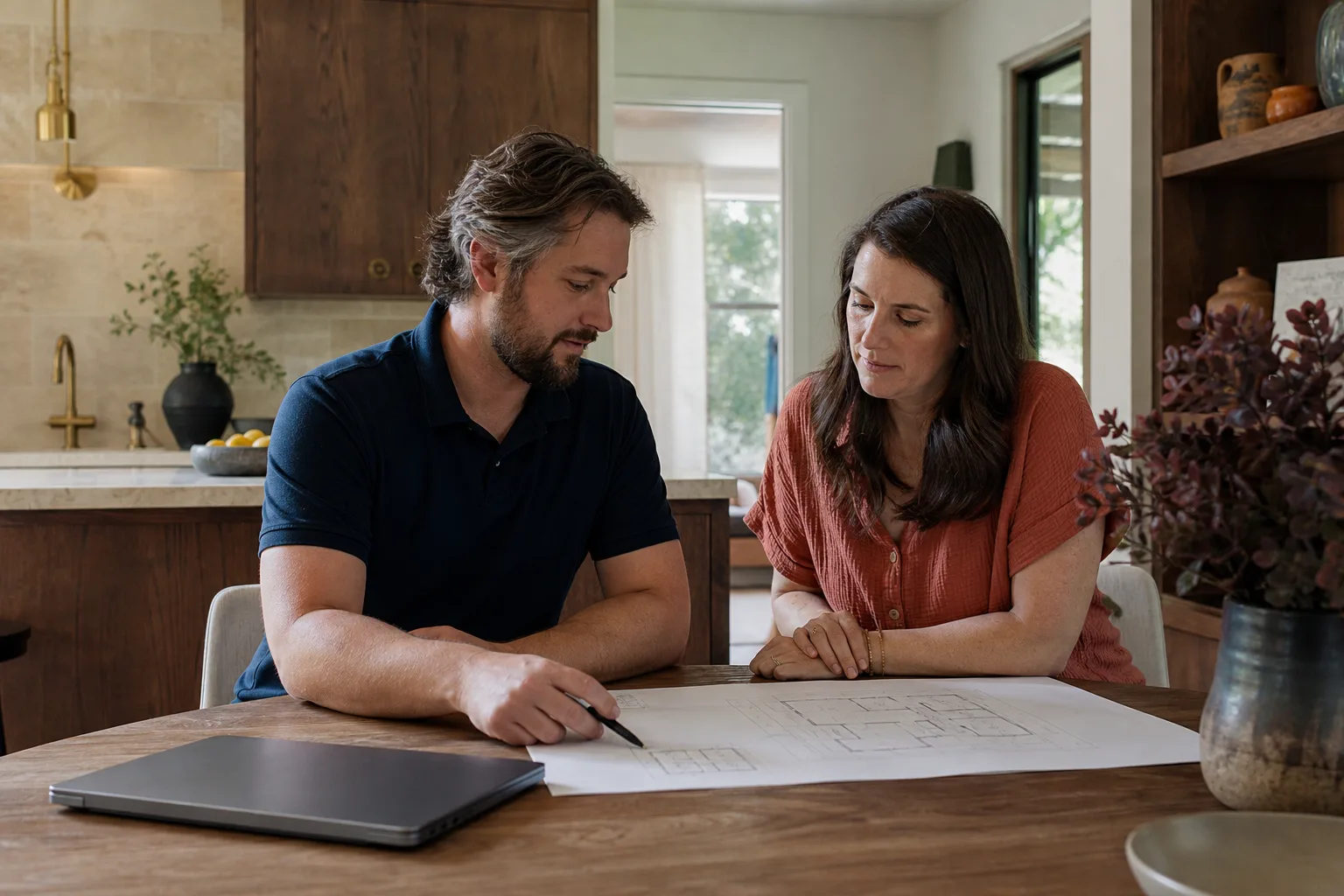
When You Need HOA & Zoning Compliance
Here is what we see on calls in Los Angeles. If any of these sounds familiar, you need compliance work before anything else happens.
- Your HOA sent back your ADU plans with a denial letter. Most HOAs in Los Angeles review detached ADUs, garage conversions, and even some room additions through an architectural review committee. A denial without a written path to approval is not the end. In many cases, the denial cites a rule that has an exception you did not know to ask for.
- The city flagged your permit set for a setback violation. Los Angeles zoning code has specific side and rear setback rules for ADUs, and older lots in neighborhoods like Mid-City, West Adams, and Eagle Rock frequently do not meet them. A setback variance, which is the city’s written permission to build closer to the property line than the standard rule allows, is sometimes available. Most owners never ask because they don’t know it exists.
- You aren’t sure if your HOA can even regulate an ADU. California state law limits what HOAs can prohibit, especially for ADUs. Your HOA’s rules from 2008 may not be enforceable in 2026. We check the actual law against what your HOA is telling you.
- You bought a house with unpermitted work and want to add to it legally. If the garage was converted without permits years ago, adding an ADU on top of that creates a liability. We have to resolve the unpermitted condition with the city before new permits will be issued.
- You’re in a Historic Preservation Overlay Zone, or HPOZ. Parts of Los Angeles like Angelino Heights, Hancock Park, and Highland Park have strict design review on top of regular zoning. What is legal in a regular single-family zone may not be legal in an HPOZ, and the review timeline is longer.
- Your contractor told you they would “handle it” and then the permit board stayed blank. This is the call we get most often. A contractor who doesn’t do compliance work is hoping the inspector won’t notice. The inspector always notices.
How Much Does HOA & Zoning Compliance Cost in Los Angeles?
HOA and zoning compliance work in Los Angeles typically runs $2,500 to $7,500 as a standalone service, depending on how deep the problems run. If you’re bundling it with our full ADU Design & Permitting package, it’s often lower because the design and permit work is already happening. Here is a straight breakdown.
| Compliance Work | Typical Range in Los Angeles |
|---|---|
| Zoning review only (checking your lot against current code) | $600 – $1,200 |
| Full HOA submittal package preparation | $1,500 – $3,500 |
| Setback variance application with the city | $2,000 – $4,500 |
| HPOZ design review support | $2,500 – $5,000 |
| Unpermitted work resolution plan (before adding new square footage) | $2,000 – $6,000 |
What drives the number is time. A clean lot with a cooperative HOA takes a few weeks and a couple thousand dollars. A lot with three zoning issues, a hostile HOA board, and unpermitted work from 1998 takes months and lands at the top of that range or beyond. We don’t guess. You get a written price before any work starts, handed to you before a single nail is driven, every time, with no exceptions. The number you approve on day one is the number on the final invoice. Call (213) 732-1415 and we’ll quote your specific situation for free.
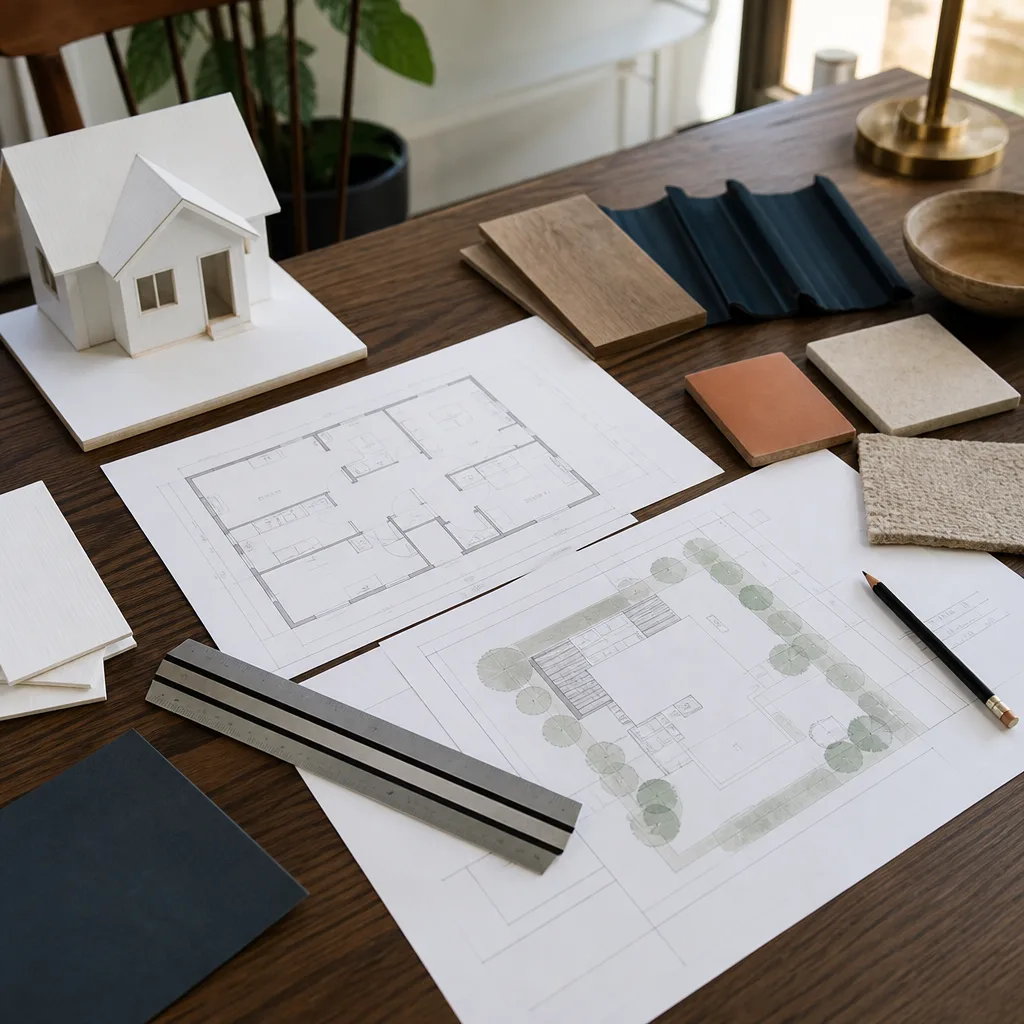
Our HOA & Zoning Compliance Process
Compliance work follows a set sequence. Skipping steps is what gets owners denied, so we don’t skip steps.
- We pull your HOA’s governing documents and read them line by line. CC&Rs, architectural guidelines, amendments, and board meeting minutes that mention ADUs or additions. Most owners have never actually read these. We have.
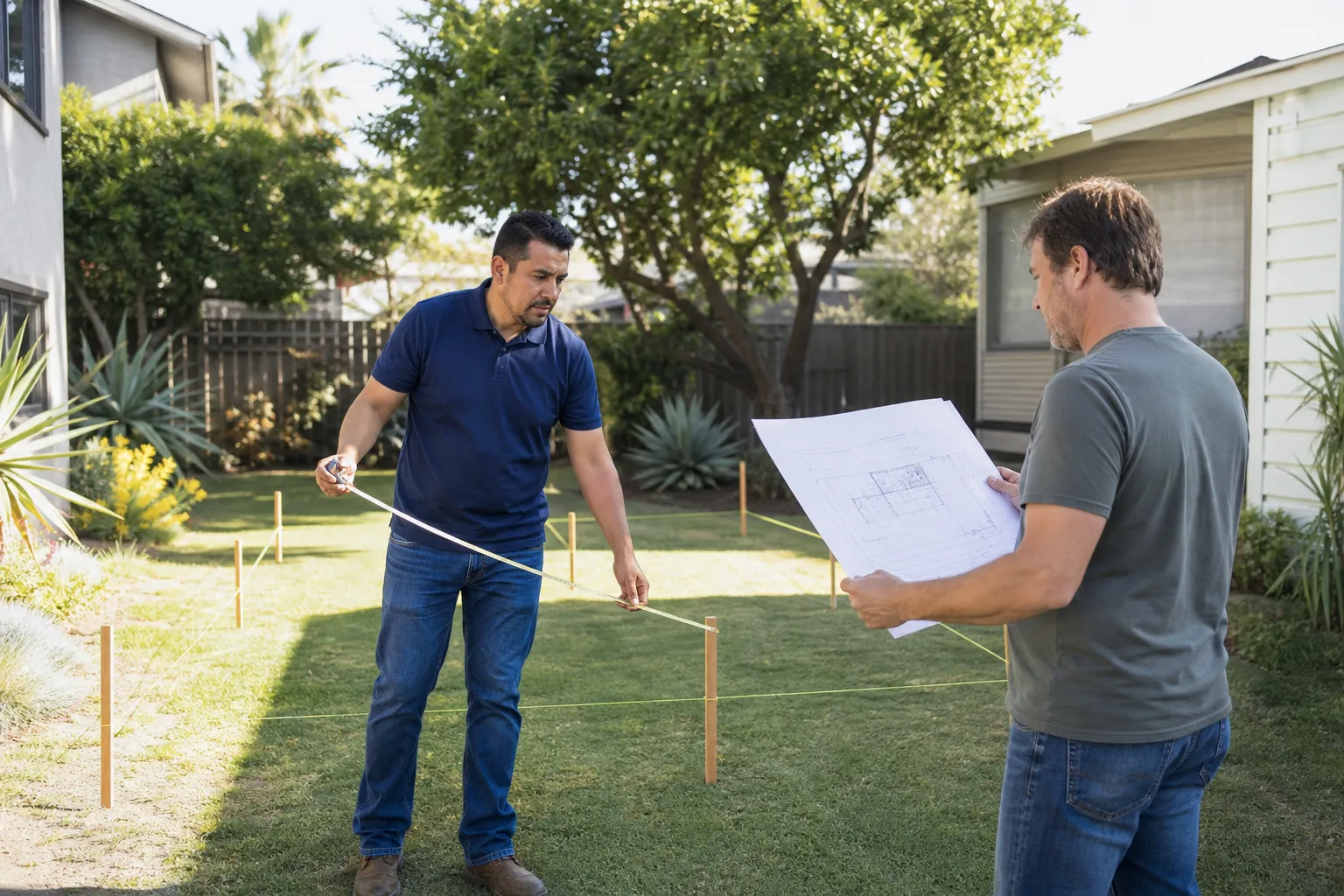
- We check the city’s zoning for your specific lot. This includes the Zoning Information and Map Access System records, any overlay zones, and recent ordinance changes that may affect ADU development on your parcel.
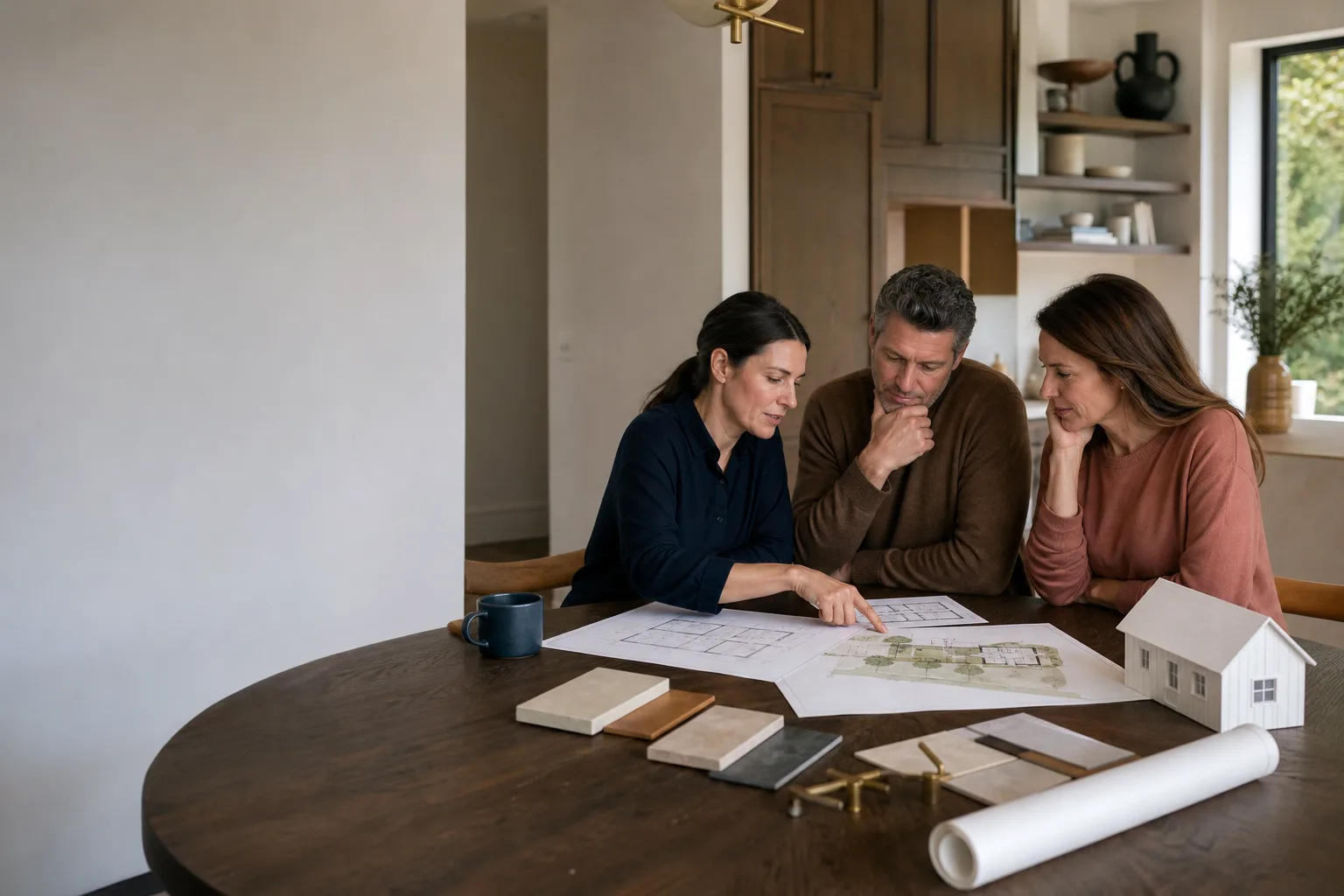
- We produce a compliance summary. One document that lays out what your HOA allows, what the city allows, where they conflict, and what options exist. You see the whole picture in plain language.
- We prepare the submittal. For HOA review, that means a complete package with plans, materials list, and a written explanation of any deviations the project needs. For the city, that means a permit set that anticipates what a plan checker will reject and addresses it before submission.
- We manage the back-and-forth. When the HOA requests changes, we make them. When the city issues corrections, we respond. You get updates as things happen, not silence for six weeks.
- We hand you the approval. Written HOA sign-off and city permits in hand. Then the building work begins with a background-checked, uniformed crew on your property every day.
HOA Rules vs. Los Angeles Zoning Code: What Actually Applies
A lot of homeowners in Los Angeles assume their HOA has complete control over what they can build. That is not accurate. California has passed several state laws, including ADU-specific statutes that took effect in 2020 and have been updated since, that limit HOA authority over accessory dwelling units. Here is what matters in practice.
An HOA in Los Angeles can require that your ADU match the architectural style of your home and the neighborhood. It can require that you submit plans through its review process before construction. It can require a finish and materials standard. What it generally cannot do is prohibit an ADU outright, impose unreasonable delays, or reject a plan for reasons that violate state housing law. When an HOA board or property management company overreaches, the fix is usually a written correction citing the specific state statute. We draft those letters. Boards back down when the letter is correct.
The city’s zoning code is a separate authority. Los Angeles has its own ADU ordinance that sets minimum lot size, setback requirements, height limits, and parking rules. State law overrides city law in some areas, particularly parking requirements for ADUs near transit stops and minimum lot size rules. We work with the current versions of both, not the outdated summaries floating around online forums.
On the materials side, when an HOA has design standards that call for specific siding or finish requirements, we match them. That can mean a conventional build with James Hardie plank siding to satisfy a board that hates the look of modular construction. Or it can mean a prefab unit from Abodu or Cover that already meets HOA aesthetic standards in several Los Angeles HOAs we have worked with. Dvele units have passed HPOZ review in some cases because their design language reads as high-end modern rather than boxy prefab. The right choice depends on what your specific HOA will approve, not what a sales brochure says.
Common Zoning Issues We See on Los Angeles Lots
Every city has its quirks. Los Angeles has more than most. Here are the specific issues that come up again and again in our compliance work.
Setback violations on pre-1940 lots
Much of Los Angeles was subdivided before zoning codes existed. Lots in neighborhoods like West Adams, Leimert Park, and Jefferson Park were platted narrow, often 40 feet wide or less. The current code’s standard 4-foot side setback for detached ADUs can be physically impossible on a 40-foot lot with an existing house. That is where the setback variance process comes in. It adds time and cost, but it is a recognized path, and we have walked it repeatedly.
HPOZ review in historic districts
Los Angeles has more than 35 Historic Preservation Overlay Zones. Each one has a board that reviews exterior changes, including new construction. What flies in a standard single-family zone gets rejected on design grounds in an HPOZ. The work is not just about meeting code; it’s about meeting a preservation standard. That means materials, roof pitch, window proportions, and the relationship of the new structure to the existing home all get scrutiny. If your home is in an HPOZ, expect design review to take two to four months longer than a standard permit.
Garage conversion rules
A garage conversion is usually the most cost-effective way to add an ADU, but Los Angeles zoning has specific rules about replacing the parking you remove. Depending on your lot’s location relative to transit, you may be required to provide a replacement parking space, or you may be exempt. The rules changed with the state’s 2020 ADU legislation and have been clarified since. The correct answer depends on your address and your lot, not on a general rule.
Slope and hillside regulations
If you live in Mount Washington, Echo Park, or the canyons of the Santa Monica Mountains, your lot falls under the city’s hillside regulations. These add restrictions on grading, retaining walls, and building footprint. An ADU that looks straightforward on flat land in the Valley becomes a compliance project on a hillside. The cost difference is real.
Prefab, Modular, and Conventional Builds: Compliance Angles
One of the advantages our clients get is fluency with the full range of build methods, because each one has different compliance implications.
A conventional stick-built ADU gives you complete control over materials and finish, which matters when an HOA is demanding specific siding. James Hardie plank is a common ask from HOA boards in Los Angeles because it reads as traditional while performing better than wood. If your HOA requires it, we spec it from the start and avoid a mid-project conflict.
A prefab unit from Abodu or Cover can speed construction dramatically, but the compliance work shifts earlier. The submittal package has to include the manufacturer’s engineering documents, and the HOA board usually wants to see a rendering of the exact unit, not a generic example. We assemble those packages so the board sees exactly what will be delivered. No surprises, no last-minute design changes.
A high-performance modular build like Dvele runs into the same review process but often gets a different reception. The units look intentional and architectural. In some HOAs, that matters. In others, the board simply wants to see that the designer thought about the street. We present it accordingly.
Compliance is not about steamrolling your HOA or the city. It’s about submitting the right thing the first time, in the format they expect, with the documentation that removes their liability concerns. That is what we do.
What Happens When Compliance Goes Wrong
Here is the failure pattern we see, and it matters because it explains why Fielding ADU Los Angeles exists in the form it does.
A homeowner hires a contractor to build an ADU. The contractor draws plans, submits a permit application, and starts demo. The city issues a stop-work order because the permit set didn’t address a side setback issue. Or the HOA sends a violation notice because the project started before architectural review was completed. The contractor does not know how to fix it. The project sits. Months pass. The owner eventually calls us.
By the time we get that call, the fix is always more expensive than it would have been to do the compliance work up front. A stop-work order means re-inspection fees, revised plan sets, and sometimes partial demolition of work that doesn’t meet code. An HOA violation can escalate to fines that accrue daily until the issue is resolved. The owner is now paying twice: once for the original work, once for the correction.
This is why our process puts compliance before construction. The written price we give you includes the compliance work. The schedule we commit to includes the review periods. We build to the approved plans, nothing else and nothing less. When the work is done, it’s covered by the Garrison Standard: a one-year written guarantee on workmanship. If something fails in that year, we return at no charge and correct it. Free second visit. Written on paper, not a handshake.
FAQs – HOA & Zoning Compliance
Can my HOA legally stop me from building an ADU in Los Angeles?
In most cases, no. California state law restricts HOAs from outright prohibiting ADUs, and Los Angeles zoning allows ADUs on essentially every single-family residential lot. What your HOA can do is impose design standards, require review, and mandate materials. If your HOA is claiming it can block an ADU entirely, that claim is usually not enforceable, and we can draft a correction letter citing the specific law. Call (213) 732-1415 and we’ll tell you what applies to your specific HOA. The call is free.
How long does HOA and zoning compliance take in Los Angeles?
Plan on four to eight weeks for a straightforward case with a cooperative HOA and a clean lot. If you are dealing with an HPOZ, a setback variance, or unpermitted work from a previous owner, expect three to six months in total. We’ll give you a written timeline before we start, and we update you as the review periods progress. There is no fee for the first call.
Is it cheaper to fix a compliance problem or to redo the project?
Fixing compliance before construction is always cheaper than correcting it after. A stop-work order from the city means re-inspection fees, revised plans, and possibly removing work that doesn’t meet code. An HOA violation can include daily fines. The most expensive compliance work we do is still less than the cost of tearing out and redoing unpermitted work. If you have an active violation, call (213) 732-1415 now and we’ll give you a straight answer about what it takes to resolve it.
Does Fielding ADU Los Angeles work with prefab ADU companies?
Yes. We work with Abodu, Cover, Dvele, Mighty Buildings, Boxabl, and Plant Prefab, plus conventional builds using James Hardie siding and Tuff Shed-style structures. The compliance package for a prefab unit includes the manufacturer’s engineering documents and renderings, which is exactly what HOA boards and plan checkers need to see. We’ve submitted these packages successfully in Los Angeles, and we’ll match the build method to your budget and lot, not to a sales pitch. Call (213) 732-1415 to talk through your options.
What does HOA compliance actually cost in Los Angeles?
Standalone HOA and zoning compliance work generally runs $2,500 to $7,500, depending on the complexity of your lot and your HOA’s rules. When bundled with full ADU design and permitting, the compliance work is often less because the design and documentation are already being produced. You get a written price before any work starts, and that price does not change at the end of the job. Call (213) 732-1415 for a free estimate on your specific project.
Get a Straight Answer on Your HOA and Zoning Situation
If you are planning an ADU, garage conversion, or room addition in Los Angeles and you’re not sure whether your HOA or the city’s zoning code will get in the way, call us. We’ll look at your lot, your HOA documents, and your plans, and tell you what the compliance path looks like. The price goes in writing before any work starts. The crew on your property is background-checked and uniformed. And when the project is done, the work is covered for a full year by the Garrison Standard: if it is not done right, we come back and make it right at no charge.
Call (213) 732-1415 for a free estimate. A live person answers, any hour, any day. That is how we work.
Written by Reed Calloway, Owner at Fielding ADU Los Angeles, serving Los Angeles.